Getting rid of dandruff? Understanding scalp health and hair care
Von Hassieb Kalla · Dr.Kalla RedaktionShare
Dandruff on hair and clothing is annoying, but by itself it says little about the trigger. Fine, rather dry particles often require a different routine than larger, adherent flakes associated with a quickly greasing scalp. Self-observation can help with product selection, but does not replace a professional diagnosis. The key is gentle cleansing, correct application, and some patience.
Distinguishing between dry and greasy dandruff
Dry dandruff flakes usually appear small, light, and loose. At the same time, the scalp may feel tight or sensitive. Greasy dandruff flakes are often larger, adhere more strongly, and occur together with roots that grease quickly. These characteristics serve only as a guide. Redness, sore spots, or severe discomfort should be clarified by a professional.
First, check your own routine
Very hot water, vigorous scratching, frequently changing products, or poorly rinsed residues can place additional stress on the scalp. Observe for a few hair washes how often you wash your hair, which styling products reach the roots, and when the dandruff becomes more noticeable. Change only one step at a time if possible so that you can better classify the reaction.
Choosing the right shampoo
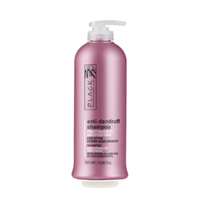
For a dry, sensitive-feeling scalp, a gentle cleanser is a sensible starting point. For adherent dandruff, products from the anti-dandruff care category are suitable. Read the product description before use and note the manufacturer's recommended frequency and application time. In the shampoo section, you can compare texture, care goals, and hair condition.
Wash the scalp thoroughly but gently
Distribute a suitable amount of shampoo on the wet scalp and massage it in with your fingertips without applying strong pressure. Fingernails can cause minor irritation. Rinse the product out carefully and use lukewarm rather than very hot water. More product or a longer application time does not automatically improve the result; the manufacturer's instructions take precedence.
Treat lengths and scalp separately
Conditioners, masks, and oils generally belong in the lengths and ends, unless the specific product indicates otherwise. This way, dry hair sections receive care without unnecessarily weighing down the roots. Use styling products sparingly near the scalp and remove residues thoroughly during the next wash.
FAQ: Frequently asked questions about dandruff
How quickly should a new routine help? There is no universal timeframe for this. The product, initial situation, and application vary; follow the package instructions and observe your scalp. When is professional advice useful? In the case of persistent flaking, significant redness, inflammation, pain, or severe itching, a dermatologist should assess the cause.
Key takeaways
- The appearance of the dandruff provides clues, but not a diagnosis.
- Choose shampoo according to scalp condition and use according to manufacturer instructions.
- Seek professional advice for severe or persistent discomfort.
Compare mild shampoos and targeted anti-dandruff care at Dr.Kalla based on hair condition and product instructions. Start with a simple routine and do not change multiple steps at the same time so that you can traceably evaluate your product selection.