Bleaching & Lightening: Levels, Care and Avoiding Mistakes
Von Hassieb Kalla · Dr.Kalla RedaktionShare
Light hair looks effortless – but achieving it is a craft. During bleaching, natural pigments are lightened step by step. Learn here how far this process can go and how to keep your hair healthy while doing so.
How many levels can you lighten?
Depending on your starting tone and hair condition, bleaching can lighten hair by several levels. How many are realistic depends on your natural base, previous colorations, and hair structure. More levels at once always mean more stress on the hair.
Understanding undertones
During the lightening process, hair goes through warm phases: from red to orange to yellow, and finally light yellow. These undertones explain why a yellow cast often remains after bleaching, which is then neutralized.
Combining bleaching powder and developer correctly
Bleaching powder is mixed with developer. The strength of the developer controls the intensity of the lightening process – we explain which percentage is right for what in our guide choosing the right developer. You can find powder and oxidant in Bleaching Powder & Lightening.
Care after bleaching
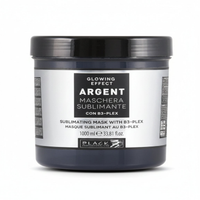
Bleached hair needs moisture and structure. Products with keratin and protein support the hair fiber, while a regular mask restores suppleness. This keeps the result looking beautiful for longer.
Avoiding common mistakes
Typical pitfalls: treating roots and lengths at the same time (the roots lighten faster due to scalp heat), exceeding the processing time, or skipping the strand test. Always wear gloves, follow the manufacturer's instructions, and stop as soon as the desired level is reached.
Check correctly before lightening
A test strand shows how quickly the hair reacts and which undertone will appear. Previous colorations, plant-based hair dyes, porous ends, and different starting tones can significantly change the result. Previously colored lengths cannot be calculated as reliably as untreated hair. Bleaching mixtures should never be left on the hair for longer than recommended by the manufacturer.
Frequently asked questions about bleaching
Can you bleach twice in direct succession?
There is no safe blanket answer for this. Hair condition, the product, and the result of the first lightening must be professionally assessed; heavily stressed hair may need a break or a different approach.
Why do the roots get lighter faster?
The heat of the scalp can accelerate the reaction at the roots. This is why professional instructions often differentiate between roots and lengths.
In short
- Stay realistic: starting tone determines the result
- Choose developer strength purposefully
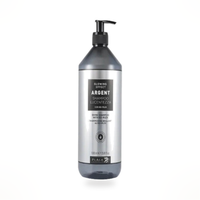
- Neutralize yellow cast afterwards with silver shampoo
- Incorporate moisture and protein into your care routine
Find everything you need for lightening in our Bleaching section. Are you a hairdresser or shopping commercially? Then the Dr.Kalla Professional Access is worth it.