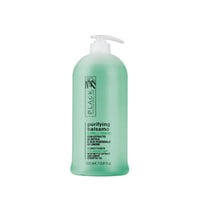
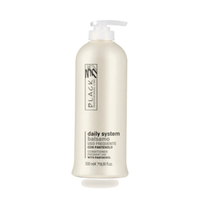
Conditioner or hair mask: Which is right for your hair?
Von Hassieb Kalla · Dr.Kalla RedaktionShare
Conditioners and hair masks are often placed next to each other on the shelf, but they are not simply interchangeable. A conditioner typically complements your regular hair wash, while a mask is usually intended as a more intensive care step. Your current hair feel, the product texture, and the manufacturer's instructions are the decisive factors. With this comparison, you can effectively narrow down your choice between conditioners and masks.
Briefly explained: the difference between a hair mask and a conditioner
A conditioner is the quick care step after every hair wash: leave it on for a short time, rinse it out, and the hair is easier to comb. A hair mask is richer, needs to be left on longer, and is usually used less frequently, often once or twice a week. How long and how often is stated on the respective product.
Conditioner or mask first? If you use both, the mask generally comes first. A conditioner afterward is usually not necessary. If a product line specifies a different order, that instruction takes precedence.
Can you use a conditioner as a hair mask? A normal conditioner is made for a short application time. Leaving it in your hair longer will not turn it into a mask. However, some products are expressly intended for both; this will be indicated on the packaging.
What distinguishes a conditioner from a hair mask
A conditioner is usually distributed into the lengths and ends after shampooing and then rinsed out. It can make the hair surface appear smoother and facilitate detangling. A hair mask often has a richer texture and, depending on the product, remains in the hair for longer. This does not automatically mean it is better suited for every wash or every hair type. The information on the specific product is always the deciding factor.
When a conditioner fits well into your routine
If you primarily want better combability and a nourished hair feel after washing, a conditioner is often the uncomplicated base step. For fine hair, a light formulation can be sensible so that the lengths do not look unnecessarily weighed down. Apply the product where care is needed and start with a small amount. You can find suitable variants for different hair needs in our conditioner selection.
When a hair mask can be useful
A mask is a good choice when the lengths and ends feel dry, rough, or in particular need of care. Choose it based on the condition of your hair and the desired nourishing feel, not just because of a catchy active ingredient name. Frequency, amount, and application time differ significantly between products. Therefore, follow the manufacturer's instructions and adjust the application based on the result. You can compare various textures and care goals among the hair masks.
Categorizing fine, dry, and damaged hair
Fine hair often needs less product and benefits from a sparing application on the ends. Dry-looking lengths may find a richer treatment pleasant, while heavily stressed hair does not automatically need more of every product. After drying, observe whether the hair feels manageable, easy to comb, and pleasantly nourished. If it feels heavy or coated, reduce the amount or frequency instead of adding more care steps.
Combining both products without over-conditioning
Conditioner and mask do not necessarily have to be used during the same wash. A simple routine can consist of shampoo and conditioner, supplemented by an occasional mask according to the manufacturer's instructions. Some product lines specify a different order; this information takes precedence. If possible, change only one step at a time so you can judge how your hair feels afterward. You can find further categories for a coordinated routine under Hair Care.
Frequently asked questions about conditioners and hair masks
Does a hair mask always replace a conditioner? No, that depends on the product, formulation, and manufacturer's instructions. Some masks are used instead of a conditioner, others as a supplement and less frequently. How often should I use a mask? There is no general frequency for this. Use the information on the package and the feel of your hair after application as a guide. If you have questions about a specific product, the Dr.Kalla contact team is happy to help before you purchase.
In a nutshell
- Conditioner is usually the regular care step after shampooing.
- Hair masks are often richer and are dosed according to the manufacturer's instructions.
- Treat fine hair sparingly at first so it remains manageable.
- Always check the amount, frequency, and application time for the specific product.
Compare conditioners and hair masks now by texture, application, and your desired hair feel. This allows you to choose purposefully instead of combining multiple care products without a clear objective.